
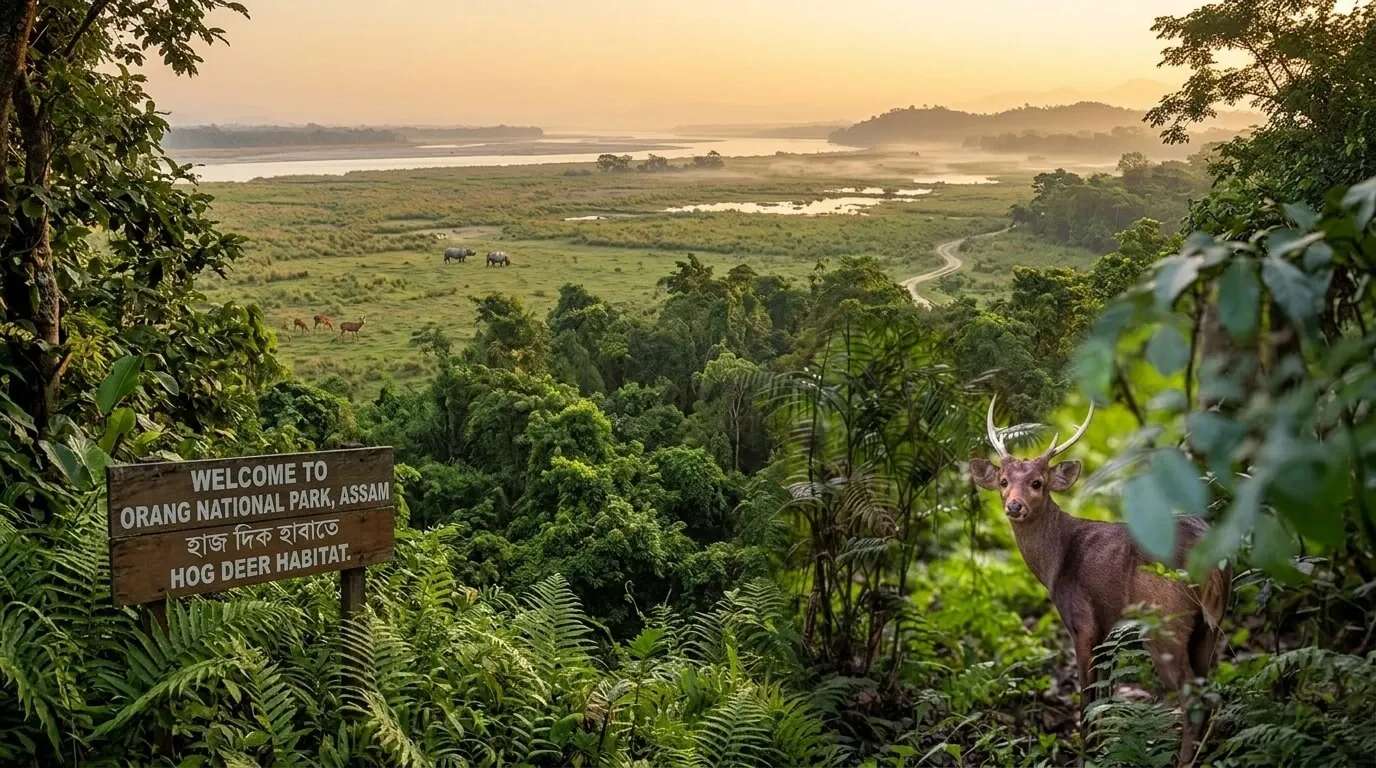
Orang National Park is one of Assam's most approachable wildlife destinations for travelers who want a strong safari experience without planning a long multi-day circuit. Located on the north bank of the Brahmaputra and associated with the Darrang and Sonitpur side of Assam, Orang is known for its grasslands, wetland pockets, and healthy population of the one-horned rhinoceros. Many visitors call it a more compact wildlife experience, but that simplicity is part of its appeal. A day at Orang can feel rewarding, scenic, and surprisingly rich in sightings.
Orang National Park
A compact north-bank wilderness of rhinos, wetlands, grassland safaris, and river-shaped beauty
A Glimpse into the History of Orang
From Grassland Habitat to Protected Area
Orang's conservation value comes from its floodplain grasslands and wetlands, which form an important wildlife habitat on the north bank of the Brahmaputra. The area first gained protected status before later growing into a stronger conservation landscape, helping secure a valuable refuge for rhinos and other species.
National Park Status
Orang was declared a national park in 1999, which gave it stronger recognition and tourism visibility within Assam's wildlife circuit. Even though it is much smaller than some of the state's more famous parks, that compact scale makes it easier for travelers to explore in a shorter visit.
Why Orang Stands Out Today
In recent years, Orang has become better known as the "Mini Kaziranga" because of its grassland character and rhino presence. That comparison may attract first-time visitors, but Orang has its own identity: a quieter park, strong birdlife, and a travel rhythm that suits people looking for a focused wildlife day rather than a heavily crowded safari destination.
Significance of Orang National Park
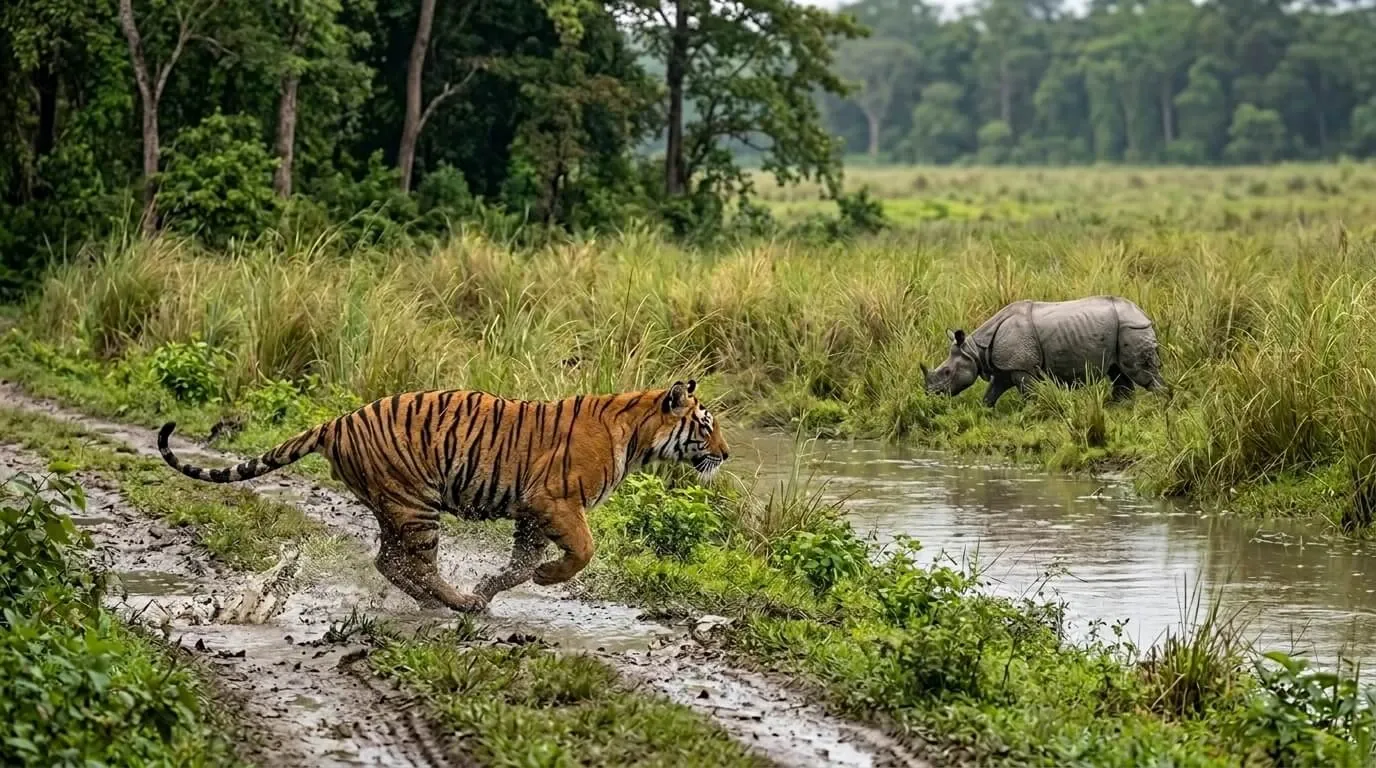
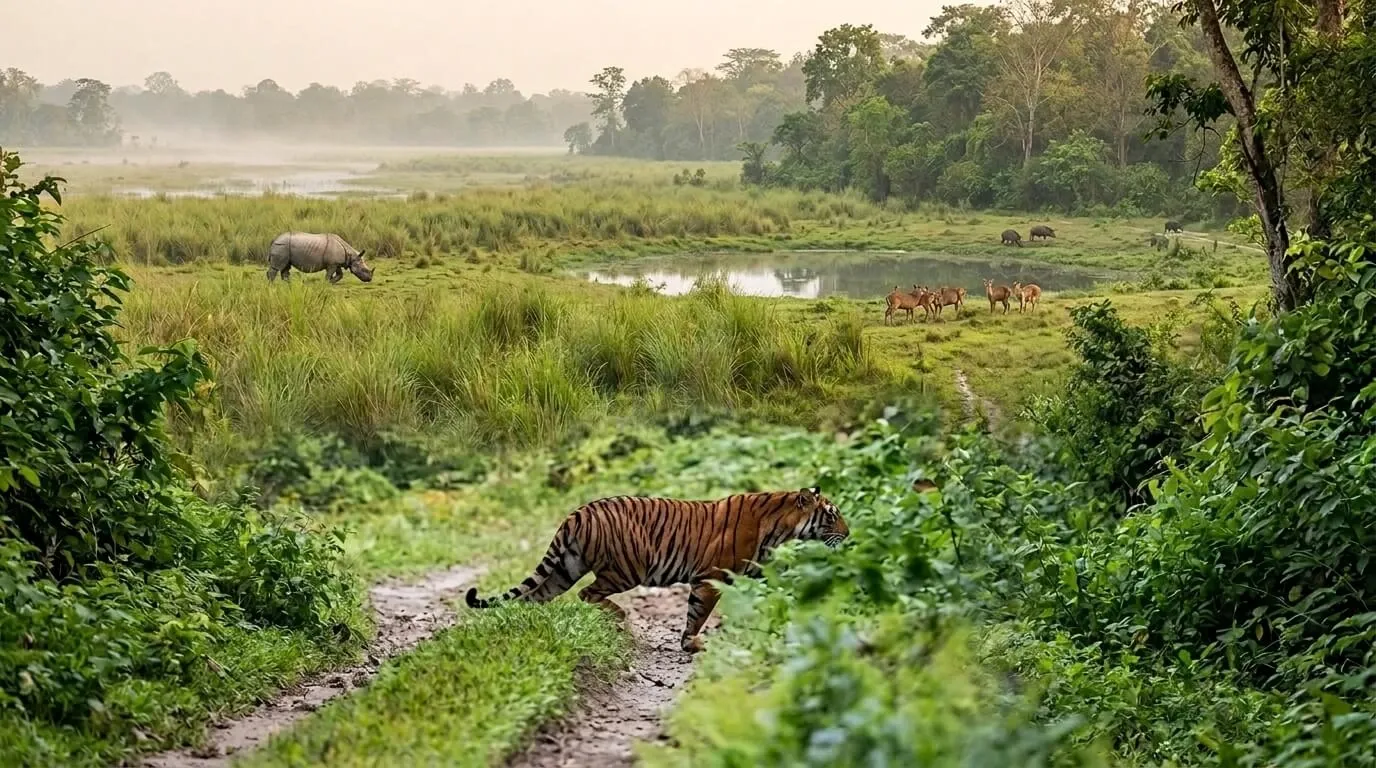
Orang is significant because it protects an important north-bank floodplain ecosystem and supports flagship species such as the one-horned rhinoceros, tiger, elephant, wild buffalo, and rich birdlife. It is especially valued as a strong rhino habitat on the northern side of the Brahmaputra. For travelers, Orang matters because it offers a compact but meaningful wildlife experience, where the landscape feels intimate enough to explore comfortably while still holding impressive biodiversity.
Festivals and Seasonal Experiences Around Orang
Winter Safari Season
The most enjoyable time to experience Orang is during the cool, dry season when safari tracks are more accessible and wildlife visibility is usually better. Morning drives feel especially beautiful when the grasslands are lit by soft winter light.
Bohag Bihu Around the Assam Heartland
If you travel through the wider Tezpur and Darrang side during April, Bohag Bihu brings a festive Assamese mood to the journey. Even if your main purpose is wildlife, the seasonal atmosphere can make the trip feel more rooted in local culture.
Special Highlight: A Compact Rhino Safari
What makes Orang memorable is how quickly the park begins to feel alive once you enter. Because the landscape is relatively compact, visitors often feel closely connected to the wetlands, grassland stretches, and animal movement around them. Early safaris here can be especially rewarding for rhino sightings and birdwatching, and the quieter atmosphere gives Orang a calm, offbeat quality that many travelers appreciate.
Travel Guide to Orang National Park
How to Reach Orang
By Air: Tezpur's Salonibari Airport is one of the nearest practical airports for Orang, while Guwahati is the more widely used major airport for most travelers. The onward road journey depends on the exact route and stay location, but Tezpur is usually the closer air gateway.
By Train: Rangapara North is commonly used as a practical railhead for travelers heading toward Orang, though some visitors also plan the park through larger rail connections and then continue by road from Tezpur or nearby towns.
By Road: The official Orang approach lists two main road routes: Guwahati-Baihata Chariali-Mangaldai-Dalgaon-Koupati-Silbori via NH 15, and Guwahati-Nagaon-Kaliabor-Tezpur-Orang-Silbori via AH 1. Private car or hired taxi is usually the simplest way to reach the park gate comfortably.
Best Time to Visit
The best time to visit Orang is from November to April, when the weather is more comfortable and safari conditions are generally better. Monsoon months are less practical because of rain, wet ground, and changing access conditions, so winter remains the most reliable season for a first visit.
Local Attractions
Tezpur: The nearest major city in the circuit and a practical stop for hotels, food, and a more comfortable base before or after the park visit.
Agnigarh Hill: A well-known Tezpur landmark that works well as a light heritage stop if you are combining Orang with the Tezpur side.
Nameri National Park: A realistic add-on for travelers planning a wider Assam nature circuit beyond Orang, especially if they have an extra day in hand.
Tips for Devotees and Travelers
Try to book the morning safari if possible, because cooler hours often make the experience more comfortable and wildlife activity feels better then.
Carry a camera or binoculars if you enjoy birdwatching, since Orang's wetlands and grassland edges can be rewarding for bird sightings as well as larger animals.
Keep water, sun protection, and a light cap with you because open safari stretches can feel warm once the day advances.
If you are coming from Tezpur or Guwahati on the same day, start early so you reach the park without rushing and have enough buffer for the return journey.
Park Location
Image Gallery

Nearest Places to Visit

Tezpur
Agnigarh Hill
Nameri National Park
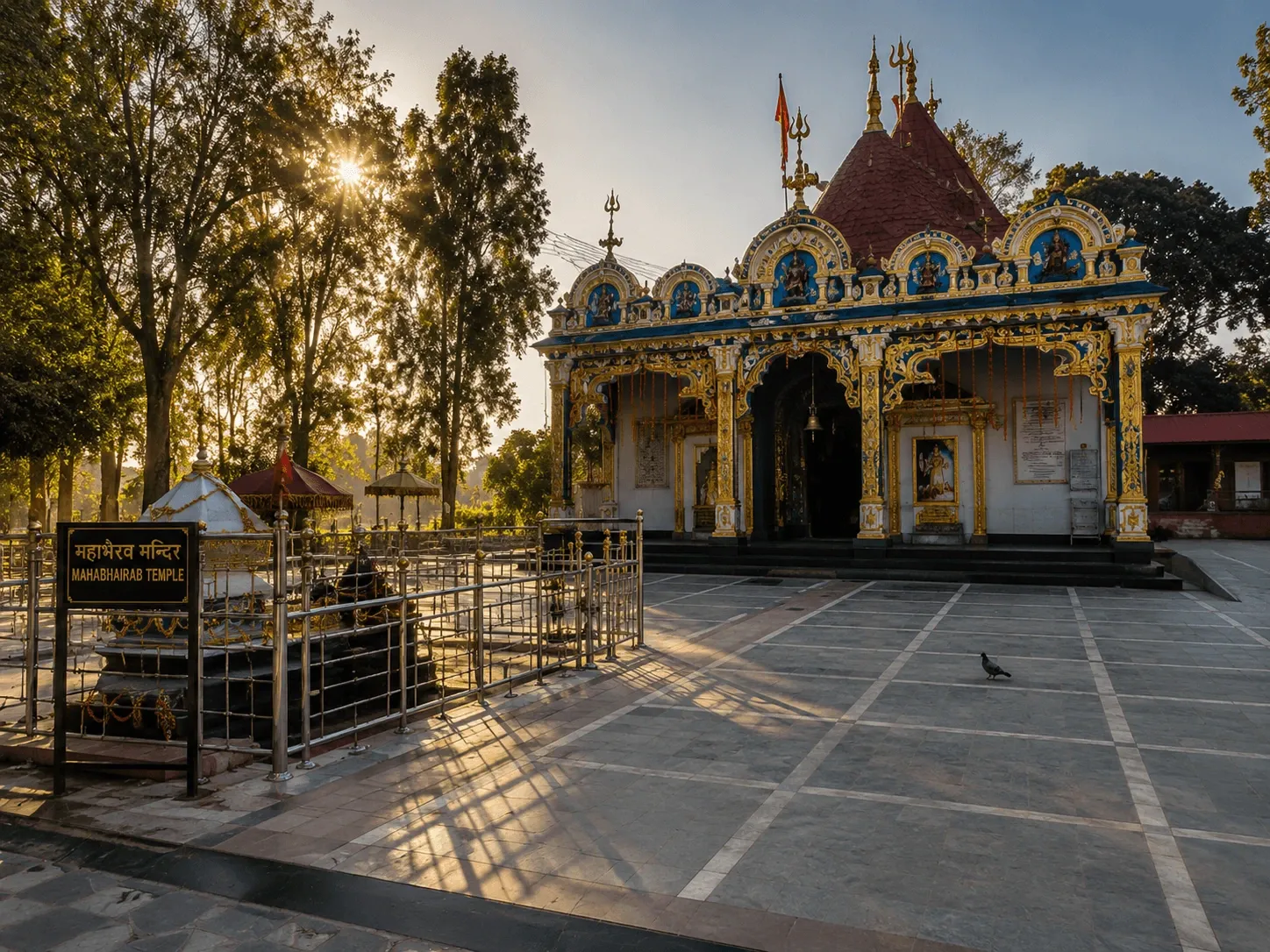
Mahabhairab Temple